Pivtorak.Studio · Contemporary conceptual practice

Anna Pivtorak · Independent Researcher

Governance systems · Cultural capital · Visual analytics · Structuring meanings

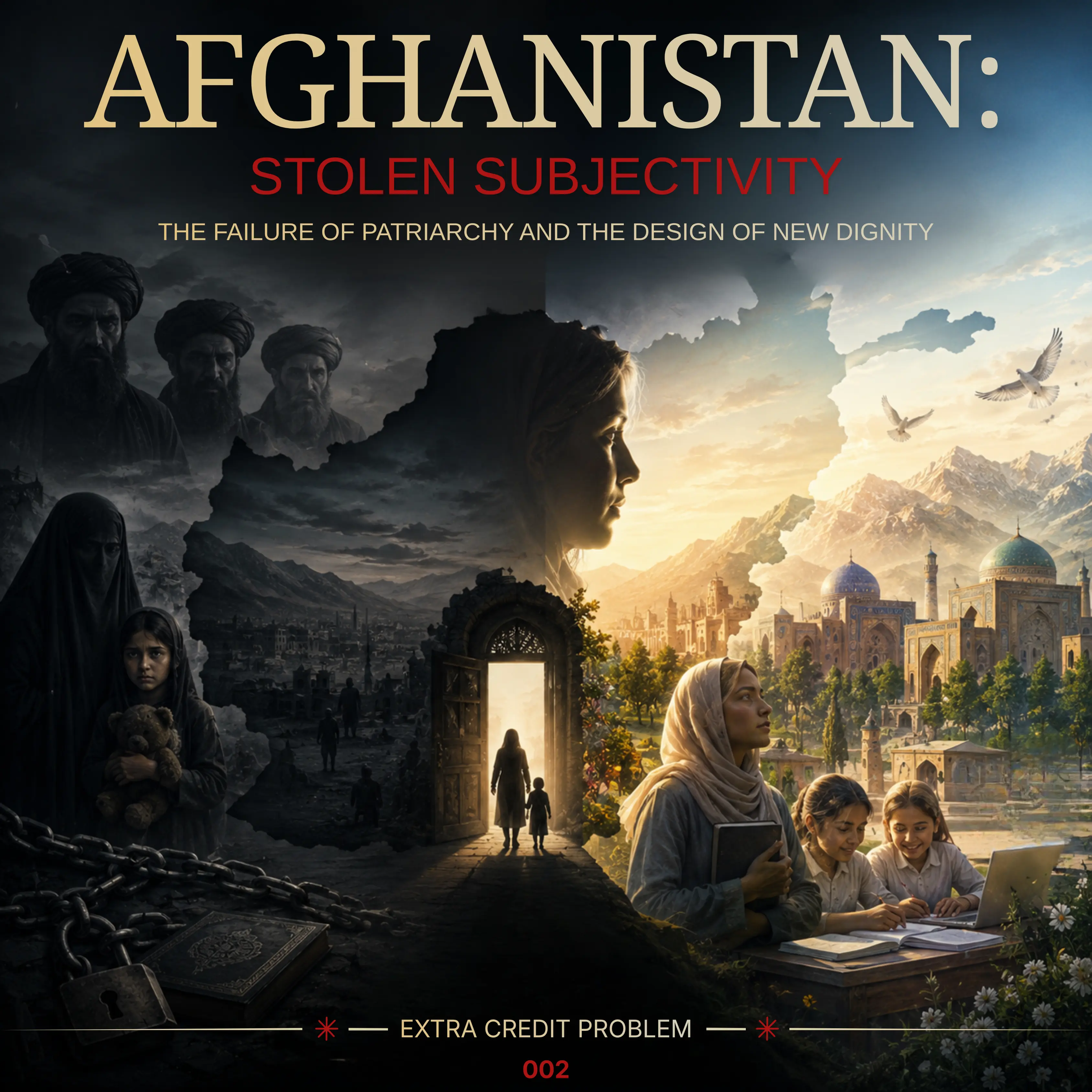
A monumental composition depicting the transition from stolen subjectivity to restored human dignity: the dark silhouette of Afghanistan gradually transforms into a space where women, children, and human beings once again become full subjects of civilization.

002 Afghanistan. Stolen Subjectivity

Afghanistan became the second civilizational case study within The Asterisk Problem. This research investigates the mechanisms that allow societies to lose the ability to protect their own children, dismantle institutions of responsibility, and transform human beings into resources for survival.
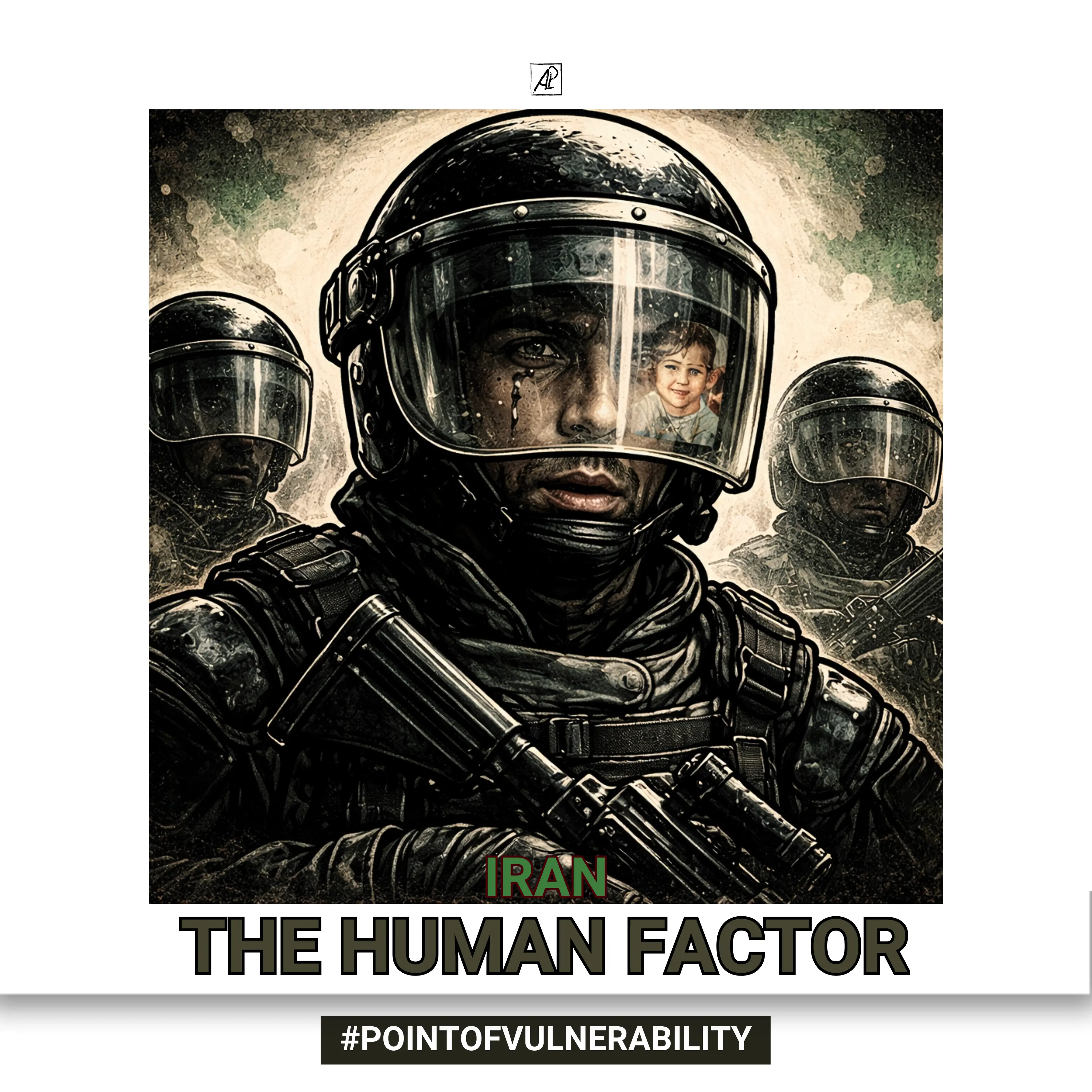
Face of an Iranian security officer wearing a helmet. Through the transparent visor, a tear or a photograph of his child. He stands in formation holding a weapon, surrounded by other officers.

04-01 Vulnerability Point. Human Factor

This work diagnoses the fragility of authoritarian regimes through the conscience of their executors. Even the most disciplined apparatus cannot fully suppress humanity. A single moment of doubt may become the beginning of systemic collapse.
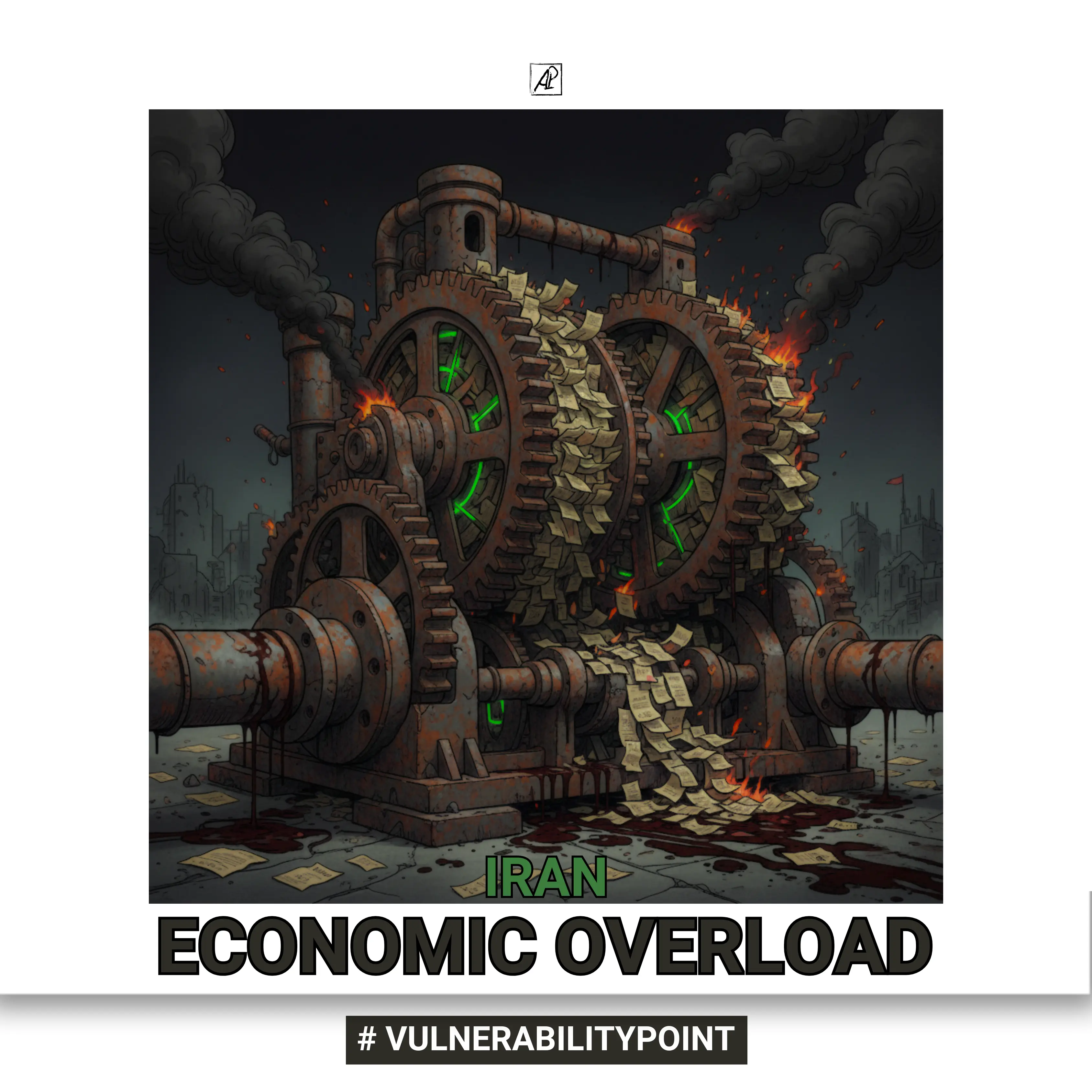
A giant rusted repression machine. Instead of lubricant, thousands of unpaid bills, receipts, and debt papers clog the mechanism. Screws smoke and grind from friction as the system operates at the brink of collapse.

04-02 Vulnerability Point. Economic Overload

This work diagnoses the economic overload of authoritarian rule. Repression consumes resources without creating value, and the regime gradually exhausts its own foundations. Tyranny eventually becomes more expensive than society can sustain.
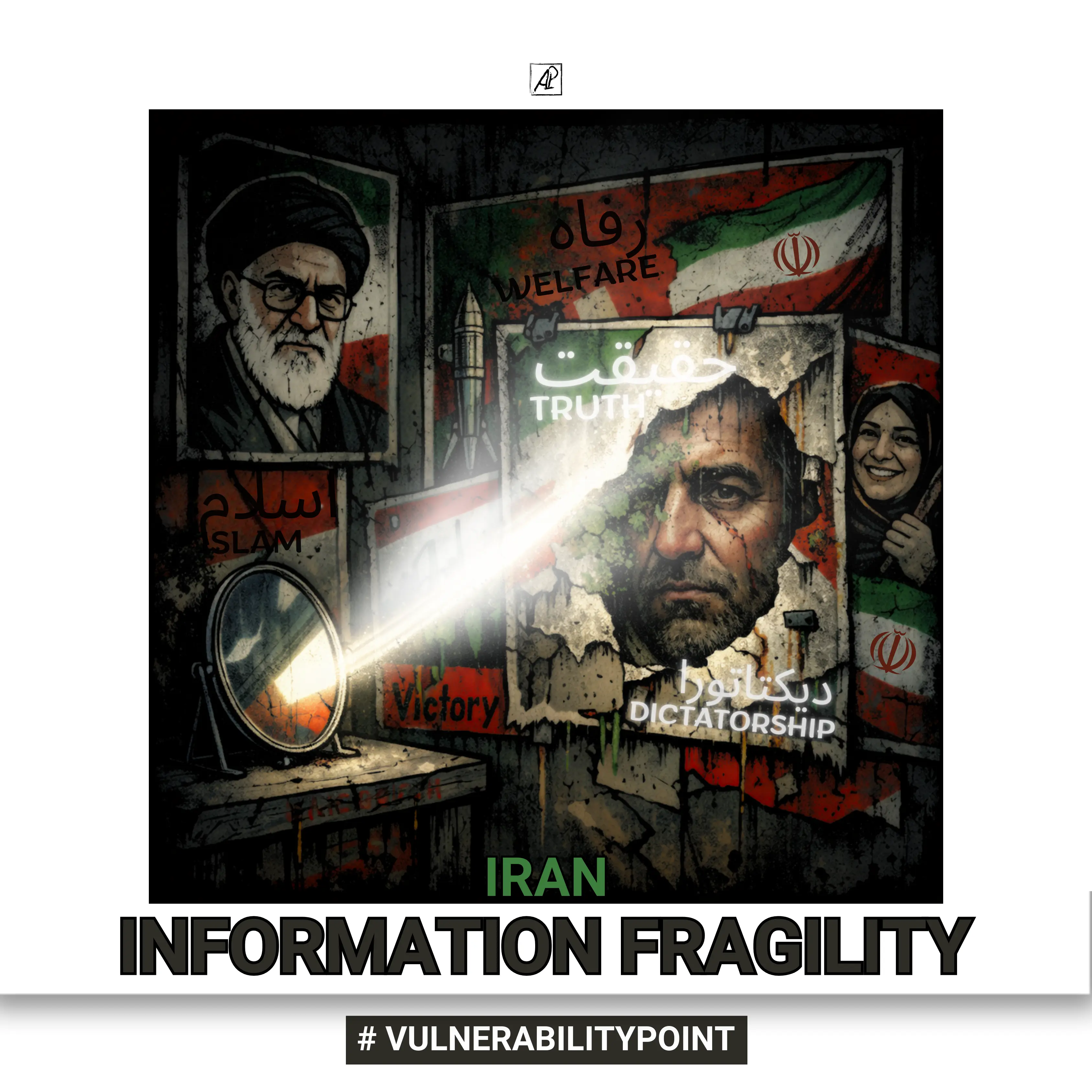
A dark room with walls fully covered in ideological posters. A small mirror reflects a ray of sunlight onto a poster. Where the light hits, the paint fades, revealing mold, rusty nails, and a tired human face beneath the paper.

04-03 Vulnerability Point. Informational Fragility

This work diagnoses the informational vulnerability of authoritarian rule. Propaganda survives only while reality cannot be compared. Once people regain access to independent sources of truth, the ideological façade begins to collapse.
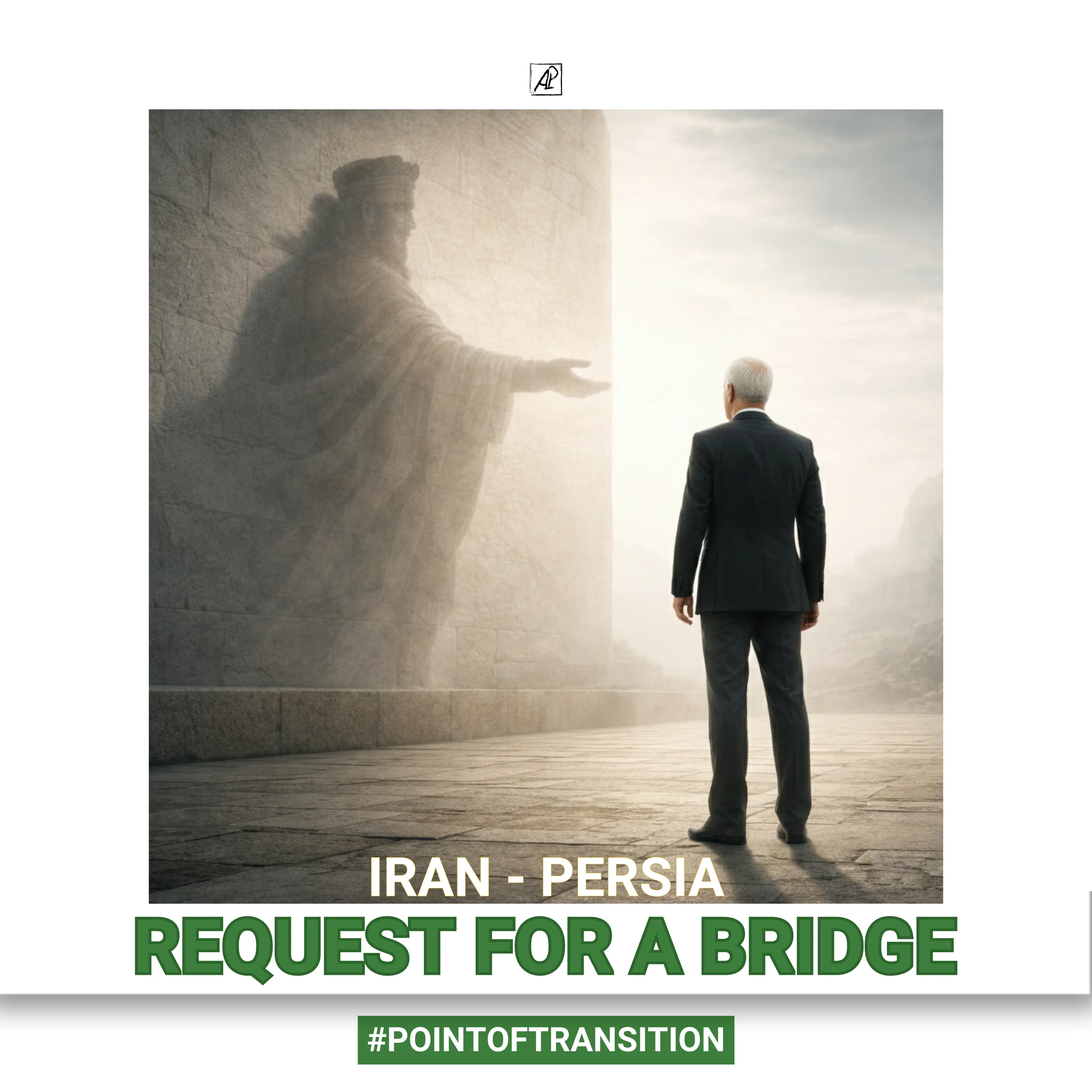
The shadow silhouette of an ancient Persian ruler extends a hand toward a modern human figure standing at a symbolic threshold, representing a bridge between historical continuity and democratic transition.

08-01 Point of Transition. Request for a Bridge (Pahlavi)

After the collapse of fear and the restoration of identity, Persia faces a dangerous vacuum. This work explores Pahlavi as a mechanism of continuity that connects the memory of Cyrus the Great with modern democratic institutions, allowing the transition from tyranny to democracy without structural collapse.
The letters of the word 'REPUBLIC' fall from the façade of a monumental building, revealing the glowing word 'Freedom' beneath.

08-02 Point of Transition. Refusal of the "Republic"

After establishing continuity and legitimacy, Persia rejects the false label of 'Republic' that concealed authoritarian rule. This work explores the restoration of semantic honesty, where the name of the state must correspond to its true essence: freedom.
A dark hall filled with people holding phones. In the center stands a stylized globe on a golden platform. Persia is highlighted in gold, with the word 'PERSIA' written in Latin and Persian scripts.

08-03 Point of Transition. The True Name: Persia

After dismantling false labels, Persia restores its historical name. This work explores naming as a mechanism of state identity, reconnecting civilizational memory with future democratic statehood.